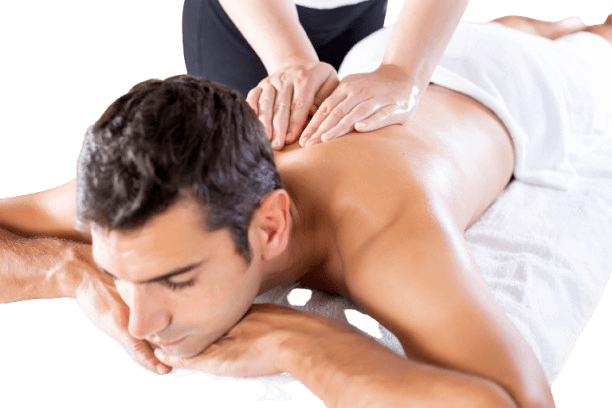
Massage therapy has become a popular way for people to relieve stress, ease pain, and improve overall well-being. Among the many types of massages available today, two of the most commonly requested are Swedish massage and deep tissue massage. While they may seem similar at first glance, they actually serve different purposes and are suited for different needs.
If you’re wondering which one to choose, don’t worry — this article will break down the key differences between Swedish massage and deep tissue massage, their benefits, and help you figure out which might be the right fit for you.
What is Swedish Massage?

Swedish massage is one of the most popular and widely known types of massage around the world. It is often described as a gentle, relaxing, and soothing experience that uses long, flowing strokes combined with kneading, circular movements, and sometimes light tapping or vibration.
The main focus of Swedish massage is to:
- Promote relaxation
- Improve blood circulation
- Ease mild muscle tension
- Reduce stress
A typical Swedish massage uses oil or lotion to reduce friction on the skin, and the therapist applies light to medium pressure. It’s an excellent choice for people who are new to massage or just want to unwind and de-stress after a long week.
What is Deep Tissue Massage?
Deep tissue massage, on the other hand, focuses on reaching deeper layers of muscles and connective tissue. It uses slower strokes and much firmer pressure to target chronic tension, muscle knots (also called adhesions), and tightness.
The main focus of deep tissue massage is to:
- Break up scar tissue
- Release chronic muscle tension
- Improve mobility and flexibility
- Help with recovery from injuries
Because of its intensity, deep tissue massage can sometimes feel a little uncomfortable, especially when the therapist works on problem areas. However, the goal is not to cause pain but to relieve deep-seated muscle tightness and restore normal movement.
Key Differences Between Swedish Massage and Deep Tissue Massage
Let’s break down the main differences:
| Feature | Swedish Massage | Deep Tissue Massage |
|---|---|---|
| Pressure | Light to medium | Firm to very firm |
| Techniques used | Long, gliding strokes, kneading, circular motion, tapping | Slow strokes, deep finger pressure, friction |
| Purpose | Relaxation, stress relief, improving circulation | Treating chronic pain, breaking down scar tissue, reducing muscle knots |
| Pain level | Usually no pain, very relaxing | May cause discomfort during intense areas |
| Ideal for | Beginners, people looking to relax, mild tension | Athletes, people with chronic pain or injury recovery |
Benefits of Swedish Massage
Swedish massage offers numerous benefits, such as:
✅ Deep relaxation — lowers stress levels and promotes a sense of calm
✅ Improved circulation — helps oxygenate the body and flush out toxins
✅ Better sleep — many people report sleeping better after a session
✅ Reduced muscle soreness — especially helpful after light workouts or physical activity
✅ Boosted immune system — some research suggests it can help improve immune function
Benefits of Deep Tissue Massage
Deep tissue massage is particularly useful for:
✅ Chronic back, neck, or shoulder pain
✅ Sports injuries or repetitive strain injuries
✅ Postural problems from sitting long hours at a desk
✅ Scar tissue breakdown from past injuries or surgeries
✅ Improving flexibility and mobility
Many athletes and people with physically demanding jobs turn to deep tissue massage as part of their regular recovery routine.
Who Should Choose Swedish Massage?
Swedish massage is great if:
- You are new to massage therapy
- You want to relax and de-stress
- You have mild tension or soreness but no serious pain
- You are recovering from a stressful period (like after exams or a busy work week)
- You simply want to pamper yourself and unwind
It’s also a popular choice for gift vouchers and couples’ massages because of its universal appeal.
Who Should Choose Deep Tissue Massage?
Deep tissue massage is a better option if:
- You have chronic muscle pain or stiffness
- You suffer from limited mobility or muscle tightness
- You are recovering from a sports injury or car accident
- You have been diagnosed with conditions like fibromyalgia or sciatica (with your doctor’s approval)
- You can tolerate firm pressure and some discomfort for therapeutic benefits
However, deep tissue massage may not be the best choice if you just want to relax or if you have certain medical conditions like blood clotting disorders, recent surgeries, or osteoporosis — always check with your doctor or massage therapist first.
What to Expect During Your Massage Session
No matter which type of massage you choose, communication with your therapist is key. Before the session, let them know:
- Your medical history and any concerns
- Areas you want them to focus on
- The level of pressure you prefer
During the massage, don’t hesitate to speak up if the pressure feels too much or too little. Remember, the goal is to help you feel better — not to “tough it out” through pain.
Final Thoughts
Both Swedish massage and deep tissue massage have their unique strengths. If you’re looking for pure relaxation, stress relief, and a gentle touch, Swedish massage is your go-to. But if you need help with chronic pain, muscle tightness, or recovering from an injury, deep tissue massage may offer more targeted relief.
At the end of the day, the best massage for you depends on your individual needs and goals. You can even alternate between the two depending on how your body feels or discuss with your therapist the possibility of blending techniques.
So next time you book a massage, you’ll know exactly what to ask for — and you’ll walk out feeling better, healthier, and more relaxed!